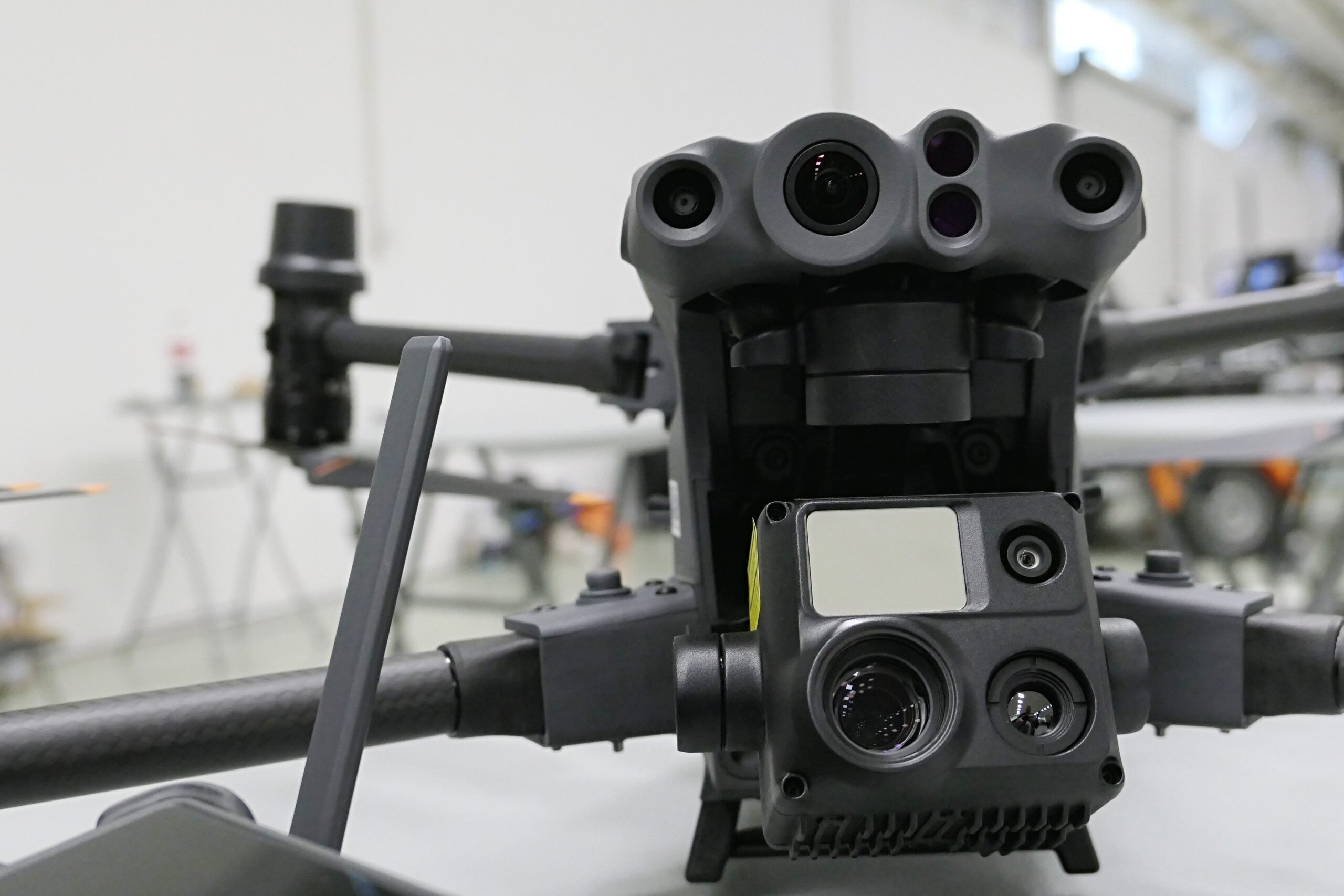
Drone-based non-destructive examination (NDE) supports turnaround planning when its data can be traced to an asset and measurement location, reviewed alongside relevant history and connected to a maintenance decision. Aerial access is one part of that process. The inspection scope and resulting records determine what the owner can conclude.
New developments are putting more attention on data consistency. Voliro’s 2026 repeatability guidance describes technology intended to help inspectors revisit measurement locations across missions. CATSI has also expanded its capabilities through aerial robotic NDE with Voliro, adding contact-based inspection options for suitable elevated and difficult-to-access assets.
Start with the inspection question
The information needed to document visible surface conditions differs from the information needed to evaluate wall thickness. A visual image and a quantitative measurement serve different purposes. Defining the inspection question helps the team select an appropriate method and establish the limits of the planned examination.
Asset geometry, surface condition and operating conditions can affect whether a method is suitable. The inspection team evaluates these factors before selecting the equipment and access approach. Aerial robotic NDE adds an option for appropriate applications; the inspection plan still determines where conventional access or additional examination is required.
Preserve the context around each result
A useful record identifies the asset and examination location, along with the date, method and relevant test conditions. Supporting images or marked locations help reviewers connect the result to the physical equipment. Coverage limitations need to be visible as well, including areas that could not be examined.
Repeat inspections require care when comparing results. A change in location or measurement conditions can affect whether readings are directly comparable. Reviewing that context with previous records helps the owner distinguish an apparent difference from a condition that needs further investigation.
Connect findings to the work scope
Before a turnaround, qualified inspection and engineering personnel can use the findings to identify follow-up examinations and evaluate potential maintenance work. The planning team can then account for the access and resources associated with that work. An inspection result informs the decision; it does not automatically establish a repair requirement or an asset’s remaining life.
CATSI combines asset integrity, NDE and turnaround support with drone and robotic inspection capabilities. Discuss your inspection objectives with CATSI to define the information your team needs before the next outage.