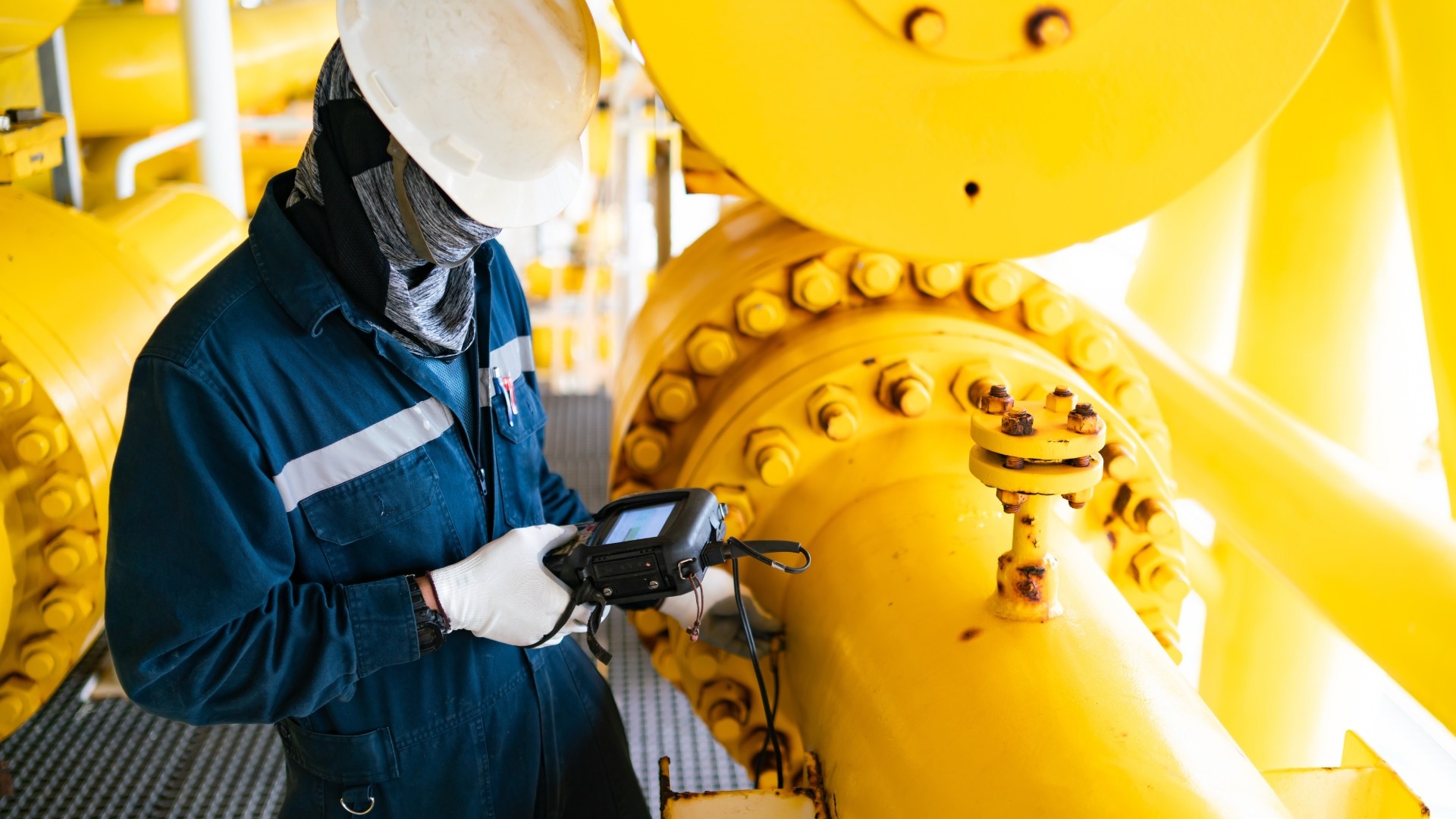
Nondestructive testing professionals help industries understand the condition of materials and equipment without damaging the assets being examined. The work combines science, technology, field experience and judgment, making NDT one of the most varied technical career paths in industry.
What does an NDT professional do?
NDT technicians and inspectors evaluate welds, piping, tanks, pressure equipment, structures and components for discontinuities, corrosion and other conditions. Common methods include ultrasonic testing, magnetic particle testing, liquid penetrant testing, radiographic testing and visual examination.
Advanced methods can include phased-array ultrasonics, automated ultrasonics, corrosion mapping, pulsed eddy current and specialized robotic applications. The appropriate method depends on the material, geometry, expected damage mechanism and decision the inspection must support.
The career path can begin in different places
Some professionals enter through technical schools, military experience, industrial work or employer training. Others come from welding, quality, engineering or related inspection fields. Training hours, documented experience and examinations are central to certification.
ASNT practice commonly recognizes Level I, Level II and Level III responsibilities. Employer-based qualifications and industry credentials may also be needed depending on the work, method, code and client. The path rewards people who are willing to learn continuously and document their experience carefully.
Technology is expanding what inspectors can do
Frost & Sullivan identifies AI, digital twins, cloud platforms, portable automation, remote inspection and advanced ultrasonic imaging among the technologies shaping NDT. Robots and drones can improve access to tanks, structures, piping and elevated assets while collecting richer digital information.
These tools do not eliminate the need for qualified professionals. They change the work. Technicians may operate robotic platforms, manage data acquisition, validate results and interpret larger datasets. The human responsibility to understand limitations and make defensible judgments remains essential.
Why the work appeals to different personalities
NDT can suit people who like hands-on field work, travel and variety. It can also support careers in data analysis, procedure development, quality systems, training, Level III services, supervision, project management and engineering support.
Projects can range from scheduled plant turnarounds and new construction to ongoing mechanical-integrity programs and specialized investigations. That variety allows professionals to build a path around particular industries, methods or work environments.
Safety, accuracy and communication matter
Inspection work often takes place in operating facilities and demanding environments. Situational awareness, procedure compliance and stop-work responsibility are critical. Inspectors must also communicate findings clearly because maintenance and engineering decisions may depend on their reports.
Good inspection professionals are methodical without losing sight of the practical question: what does the asset owner need to know next?
Explore a career protecting critical assets
CATSI supports refineries, pipelines, chemical facilities, metals, power and industrial clients through conventional inspection, advanced NDE, QA/QC, turnaround support and aerial robotic inspection. Our work combines experienced people with evolving technology to help clients understand and protect critical assets.
If you are interested in an NDT career, an experienced inspector seeking the next assignment, or an organization looking for qualified inspection support, contact CATSI to start the conversation.